Fall Planting Design & Installation Ideas
Fence installation plays a practical role in how a home looks, feels, and functions. A well-planned fence can add privacy, improve safety, support pet-friendly yards, and make outdoor living areas easier to use.
For many Northern Virginia homeowners, fencing works best when it fits within the overall exterior plan. Garden beds, patios, gates, walkways, and landscape lighting all affect where a fence should go and how it should look.
Campbell & Ferrara provides Northern Virginia fencing services for homeowners who want fencing that accommodates their property, lifestyle, and local requirements. Homeowners can review Campbell & Ferrara’s fencing options in Alexandria, VA, as they compare materials, styles, and project goals.
What to Consider Before Fence Installation
Successful fence installation starts with clear goals. Before choosing a material or style, homeowners should determine the objectives they want to achieve with fence installation. Fences provide multiple benefits. A backyard fence may be desired for privacy. A front-yard fence boosts curb appeal and a side-yard fence may provide access and space for pets, tools, or garden storage.
Important planning points include:
- Privacy needs
- Pet and child safety
- Property lines and HOA rules
- Pool safety requirements
- Gate placement
- Drainage and grading
- Views from inside and outside the yard
A fence should also support the full outdoor living environment, which is especially important when the property includes patios, walkways, planting beds, or outdoor entertainment areas. Fence placement can affect foot traffic, sunlight, and how open or enclosed the yard feels.
Professional planning helps prevent common issues. Posts need stable placement. Gates need room to swing. Sloped yards may need stepped or racked panels. Our team of experts can help homeowners review privacy goals, property conditions, HOA rules, and design preferences before fence installation begins.
Wood Fence Installation for Warmth, Privacy, and Classic Style
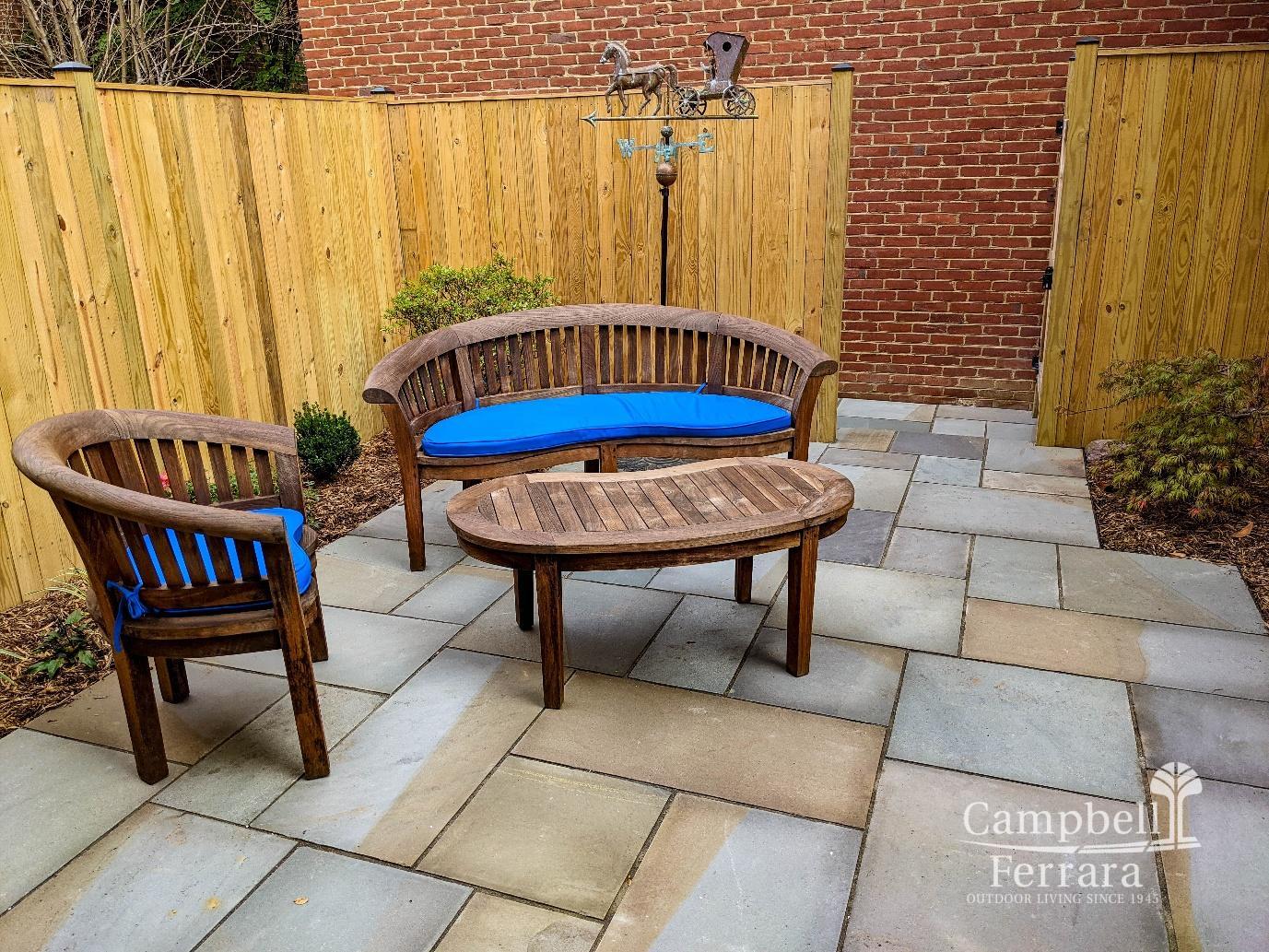
Wood fencing remains a popular choice for Northern Virginia homeowners because it offers natural texture, design flexibility, and strong privacy. It works well with many home styles, from brick colonials to updated townhomes and larger suburban properties.
Privacy Fences
Privacy fences create a solid screen around backyards, patios, pools, and outdoor living spaces. They work well when nearby homes, streets, or shared property lines feel too exposed.
Privacy fencing can also make a small yard feel calmer, especially when paired with shrubs, ornamental grasses, or climbing plants.
Picket Fences
Picket fences suit front yards, garden borders, and traditional homes. They create a clear boundary without blocking the view of the house or planting beds.
Such styles also give structure to walkways, entry paths, and small garden areas.
Shadowbox Fences
Shadowbox fencing offers partial privacy with airflow. Boards alternate on each side of the rail, which gives the fence a finished look from both sides.
The small gaps between boards allow light and air to pass through, which can help nearby garden beds.
Custom Wood Designs
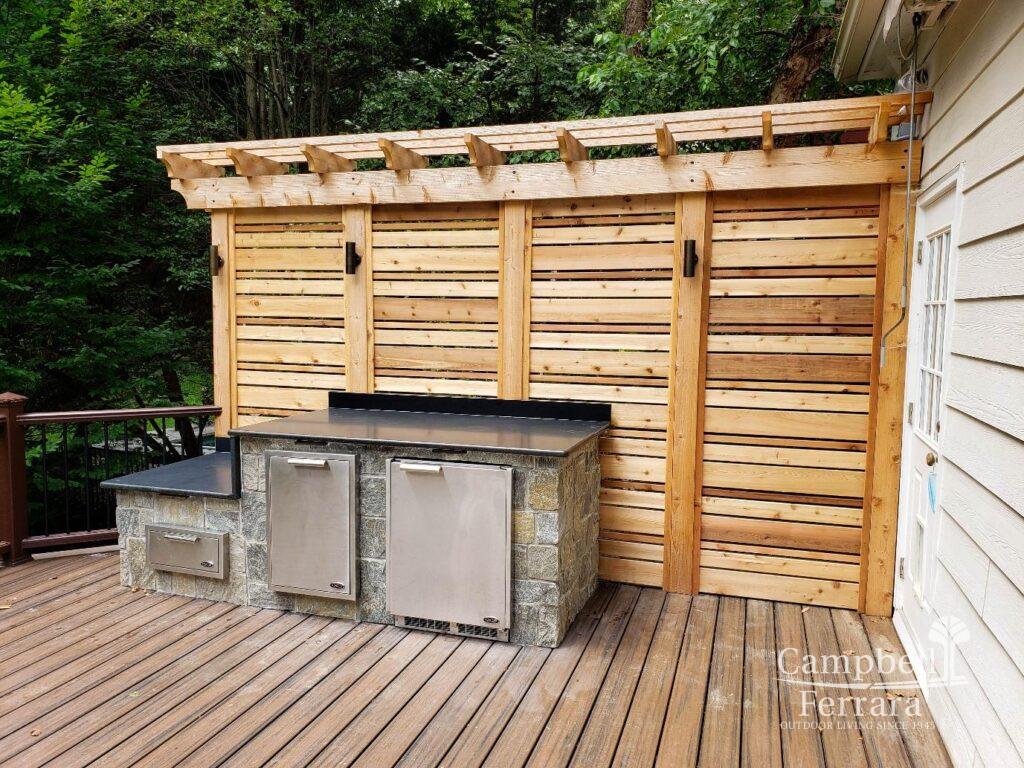
Custom wood fencing can include horizontal boards, mixed heights, decorative caps, or wider posts. Such choices should fit the home’s architecture and surrounding landscape design. A horizontal fence can suit an updated exterior, while a simple vertical board design may feel better beside a traditional garden.
Wood offers strong design flexibility and some wood may require routine care. Stain, paint, and sealant choices affect the final look and long-term upkeep. Proper posts, drainage, and installation also affect lifespan. When planned well, wood fencing can complement patios, garden paths, and planting areas with a warm, finished appearance.
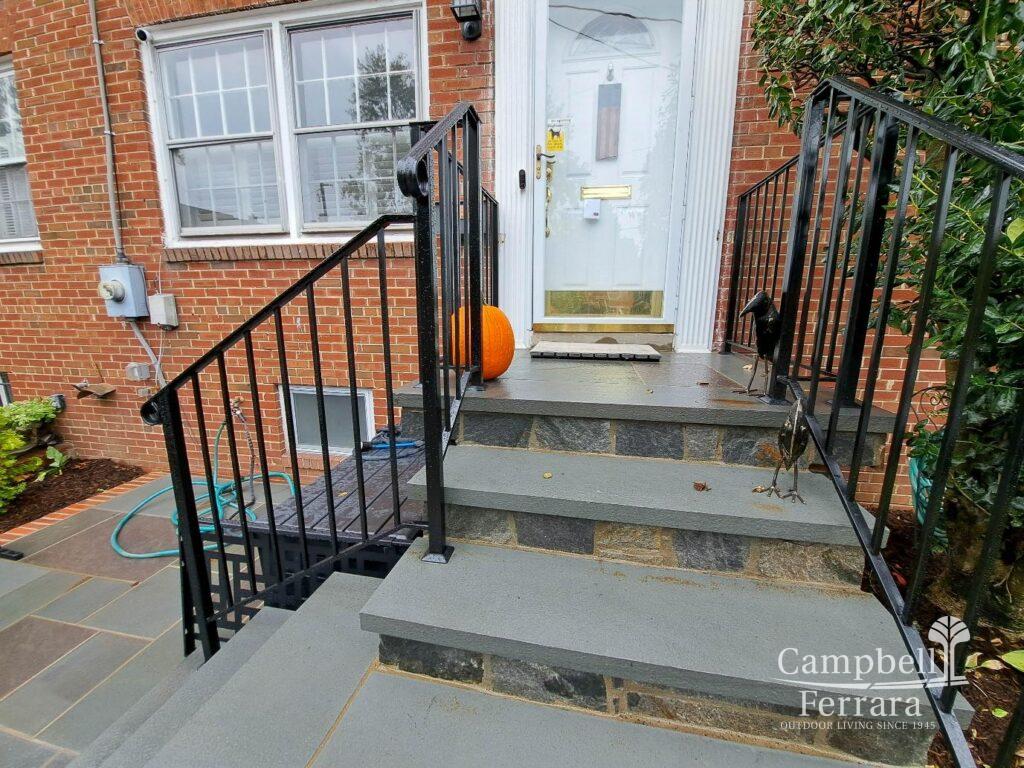
Aluminum Fencing for Durable, Open, and Refined Boundaries
Aluminum fencing works well for homeowners who want structure and security without closing off views. It creates a clear edge while keeping the yard visually open. This makes it a strong option for properties with gardens, pool areas, stonework, or views worth keeping.
Common uses include:
- Pool fencing
- Garden boundaries
- Decorative front-yard fencing
- Side-yard enclosures
- Safety Railing
- Pet-friendly areas, depending on height and picket spacing
Aluminum fencing often comes with rust-resistant finishes that help it perform well in Northern Virginia’s seasonal weather. It also needs less routine upkeep than wood. Homeowners do not need to stain or paint it on a regular schedule, and the clean lines pair well with many exterior styles.
Aluminum fencing works especially well near patios, walkways, planting beds, and landscape lighting. It defines the space without making the yard feel boxed in. At night, lighting can catch the fence’s lines and make paths, gates, and outdoor rooms easier to use.
Aluminum also supports hardscape design. It can pair with stone walls, entry columns, paved paths, and garden gates. The result feels organized without feeling heavy.
The material does have limits. Aluminum provides less privacy than solid wood fencing. It may not suit homeowners who want to block views from nearby properties or create a fully screened backyard. For those goals, wood or another solid design may work better. For visibility, pool safety, and a refined boundary, aluminum remains a strong option.
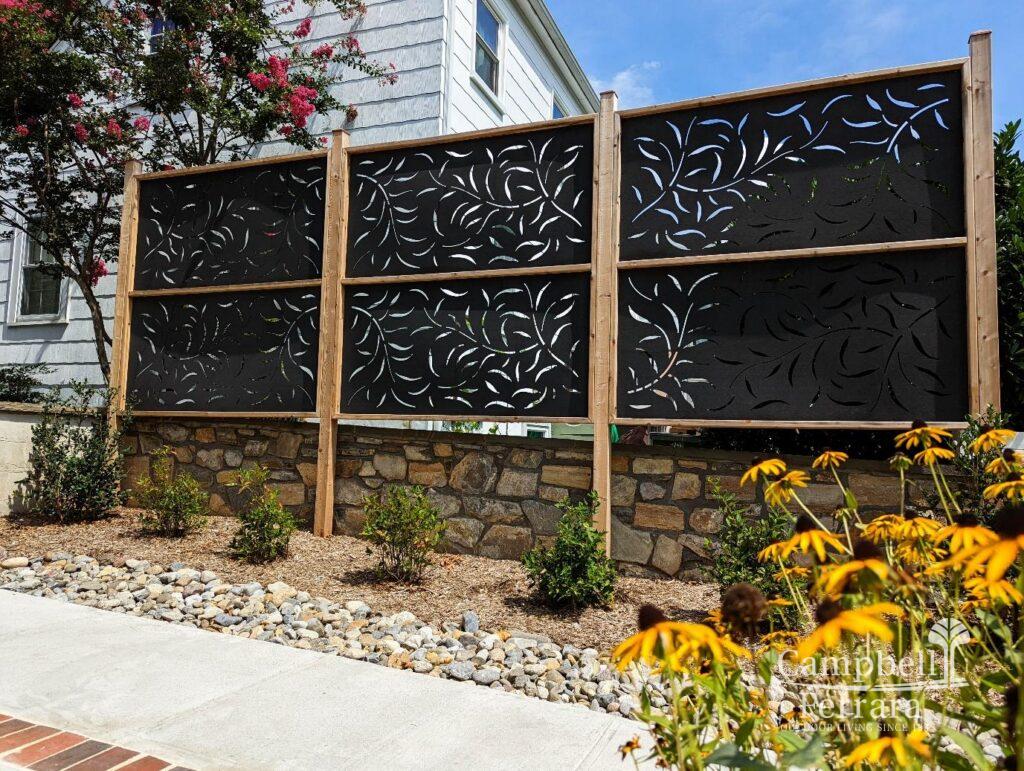
Custom and Specialty Fencing for Specific Property Goals
Custom and specialty fencing helps homeowners solve needs that standard fence styles may not fully address. Some properties need a cleaner front boundary. Others need stronger access control, better screening, or a fence that meets neighborhood rules.
Horizontal Fences
Horizontal fences offer a clean, current look that suits many updated homes. The boards run side to side rather than up and down, which can make a yard feel wider and more structured.
Board spacing matters. Tight spacing creates stronger privacy, while slight gaps allow light and airflow. Height, finish color, and post style should match the home’s architecture.
Security Fencing
Security fencing helps control access around side yards, rear property lines, pool areas, and service areas. It can also guide guests toward the main entry while keeping utility zones less visible.
Security does not require a heavy look. Wood, aluminum, and custom gate designs can create a clear boundary while still fitting the home’s exterior style.
Gates and Entry Systems
Gates shape daily use. Common gate locations include driveways, garden paths, side yards, and entries near patios or outdoor entertainment areas.
Gate width also deserves attention. Homeowners may need room for lawn equipment, trash bins, strollers, or bicycles. Hardware, hinges, and latch choices affect long-term performance.
HOA-Compliant Designs
Many Northern Virginia neighborhoods have HOA rules for fencing. These rules may address height, material, color, placement, and approved styles.
A professional team can help identify fence designs that fit both the property and the neighborhood standards. A custom fence can support an extraordinary transformation by connecting outdoor living spaces, patios, garden areas, and circulation throughout the yard.
How Fence Design Works with Hardscaping, Patios, and Outdoor Living
Fencing should fit the full property plan. A fence that looks right on paper may feel awkward if it cuts across a walkway, blocks a garden view, or crowds a patio. Good planning considers the entire yard before setting the fence line.
Fencing connects with many exterior features, including:
- Patios
- Walkways
- Retaining walls
- Decks
- Garden beds
- Outdoor kitchens
- Fire pits
- Pool areas
- Landscape lighting
Hardscaping plays a major role in fence placement. Grade changes, steps, drainage paths, and paved areas can affect where posts should go. Experienced hardscape contractors can help homeowners avoid conflicts between fencing and stonework, especially on sloped properties.
Fencing can also create zones. One area may serve as a dining space. Another may work for play, pets, gardening, or outdoor entertainment. These zones help the yard feel organized without adding clutter.
This is where Campbell & Ferrara’s experience in landscape design and hardscape design becomes useful. A fence should look intentional beside stonework, plantings, patios, and lighting. Some homeowners want a private yard with solid screening. Others prefer an open fence that frames the property and keeps views intact. The best choice depends on daily use, comfort, and the character of the home.
What to Expect During the Fence Installation Process
The fence installation process usually begins with a consultation. Homeowners can discuss privacy goals, safety needs, materials, style preferences, and budget.
Next, the team reviews the site, including slope, access points, drainage, existing plantings, and nearby hardscape features.
A typical process consists of:
- Initial consultation
- Site review
- Material and style selection
- Property line and HOA review
- Design planning
- Scheduling
- Installation
- Final walkthrough
The timeline can vary based on material, weather, slope, access, and custom details. Proper installation matters because posts need stable placement, gates need correct alignment, and fence lines should look clean from every angle.
Homeowners should also ask about maintenance, material lifespan, and how the fence will age over time.

Choosing Northern Virginia Fencing Services for Your Home
Homeowners comparing Northern Virginia fencing services should look beyond material options. Local experience matters because properties in this region often include HOA requirements, mature trees, uneven grades, compact lots, and established garden areas.
Useful selection factors include:
- Local project experience
- Knowledge of neighborhood styles
- Familiarity with HOA expectations
- Clear communication
- Strong material recommendations
- Experience with grading and drainage
- Ability to connect fencing with wider exterior plans
A good fencing plan should address both appearance and function. It should consider privacy, safety, access, maintenance, and the fence’s appearance from key areas of the home.
Campbell & Ferrara brings together landscape experts, hardscape experts, and fencing knowledge. That combination helps homeowners plan fences that support daily use while fitting the broader property design. The goal is a fence that feels like part of the yard, not an afterthought.
Plan Your Fence Installation in Alexandria, VA
Wood, aluminum, and custom fencing each offer clear benefits. Wood provides privacy and natural warmth. Aluminum gives structure while preserving views. Custom and specialty fencing can solve specific property needs, from gates to HOA requirements.
The best choice depends on your home, privacy goals, maintenance preferences, and how you use the yard. Campbell & Ferrara can help you choose fencing that fits your property and supports outdoor living.
For help planning your next fence project, contact us or call Campbell & Ferrara at (703) 354-6724 to speak with our team of experts.
Related posts