Designing and Installing Decks

Spring is one of the most rewarding seasons to refresh your landscape. As temperatures warm and soil conditions improve, it becomes the ideal time to establish vibrant gardens that will thrive throughout the growing season.
Incorporating native plants into your spring planting design is especially valuable because these species are naturally adapted to local soil, climate, and wildlife. Strategic spring planting not only revitalizes your property after winter but also helps create a landscape that supports long-term health, biodiversity, and visual appeal.
Spring Planting Design Ideas that Enhance Curb Appeal and Outdoor Spaces
Spring is widely considered the best season to install new planting beds and refresh existing gardens. As soil temperatures rise and rainfall becomes more consistent, plants can establish strong root systems before the heat of summer arrives. This early establishment helps trees, shrubs, and perennials grow healthier and more resilient throughout the growing season.
For homeowners looking to improve their landscape designs, spring offers the perfect opportunity to evaluate existing garden spaces and introduce thoughtful planting strategies that improve both aesthetics and function.
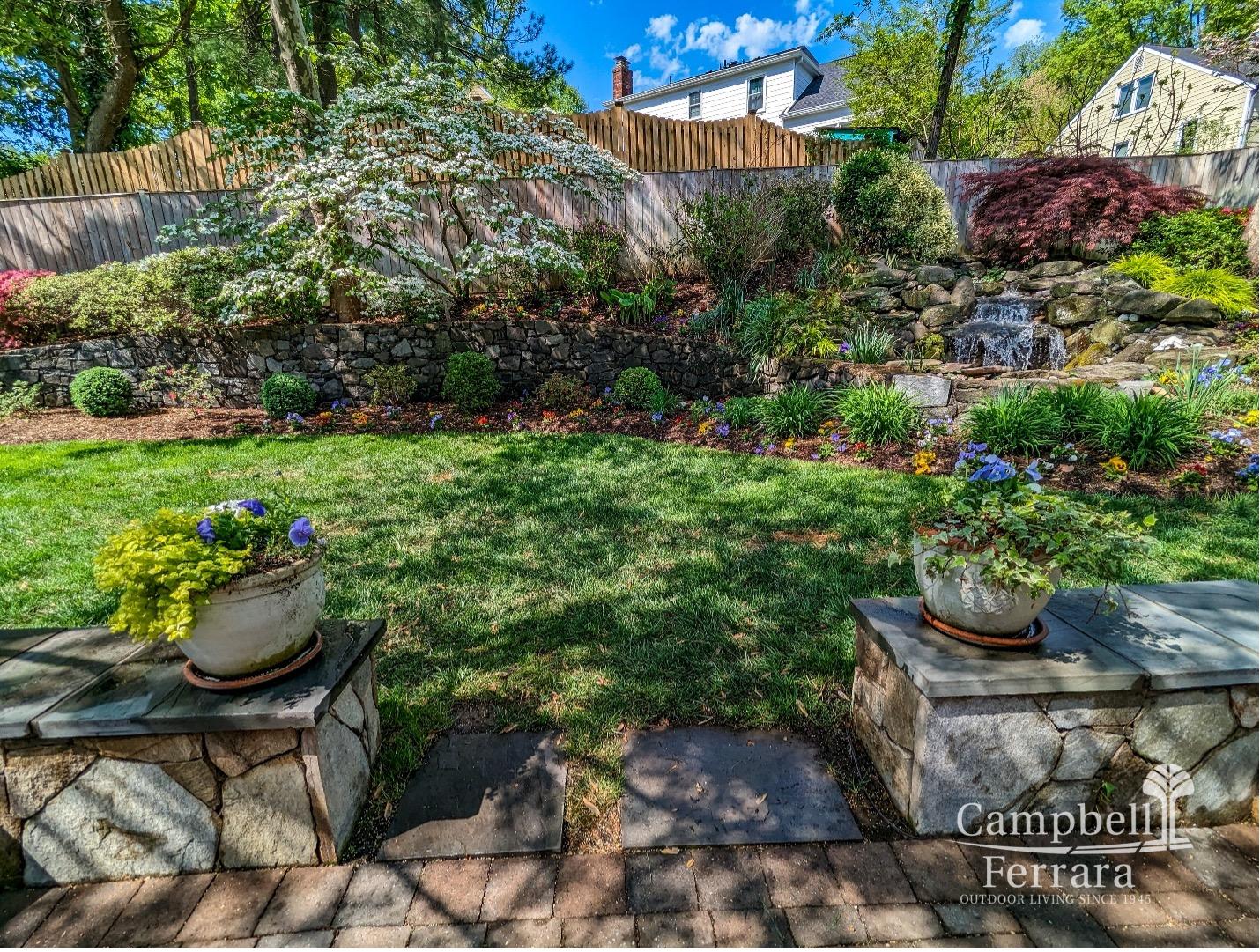
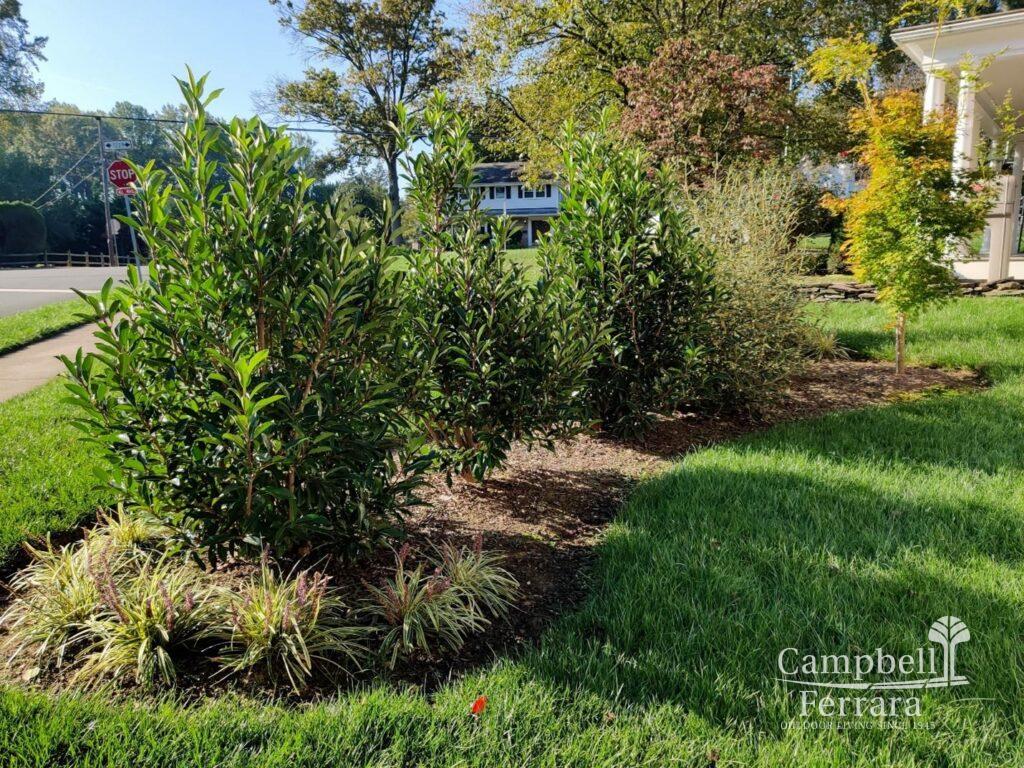
One of the most effective approaches to spring planting is creating layered planting beds that complement the landscape’s structural elements. Foundation plantings along the front of a home, for example, often combine shrubs, perennials, and groundcovers to create visual depth. These designs help soften architectural lines while enhancing curb appeal. When carefully planned, foundation plantings also guide visitors toward entryways and visually connect the home with surrounding gardens.
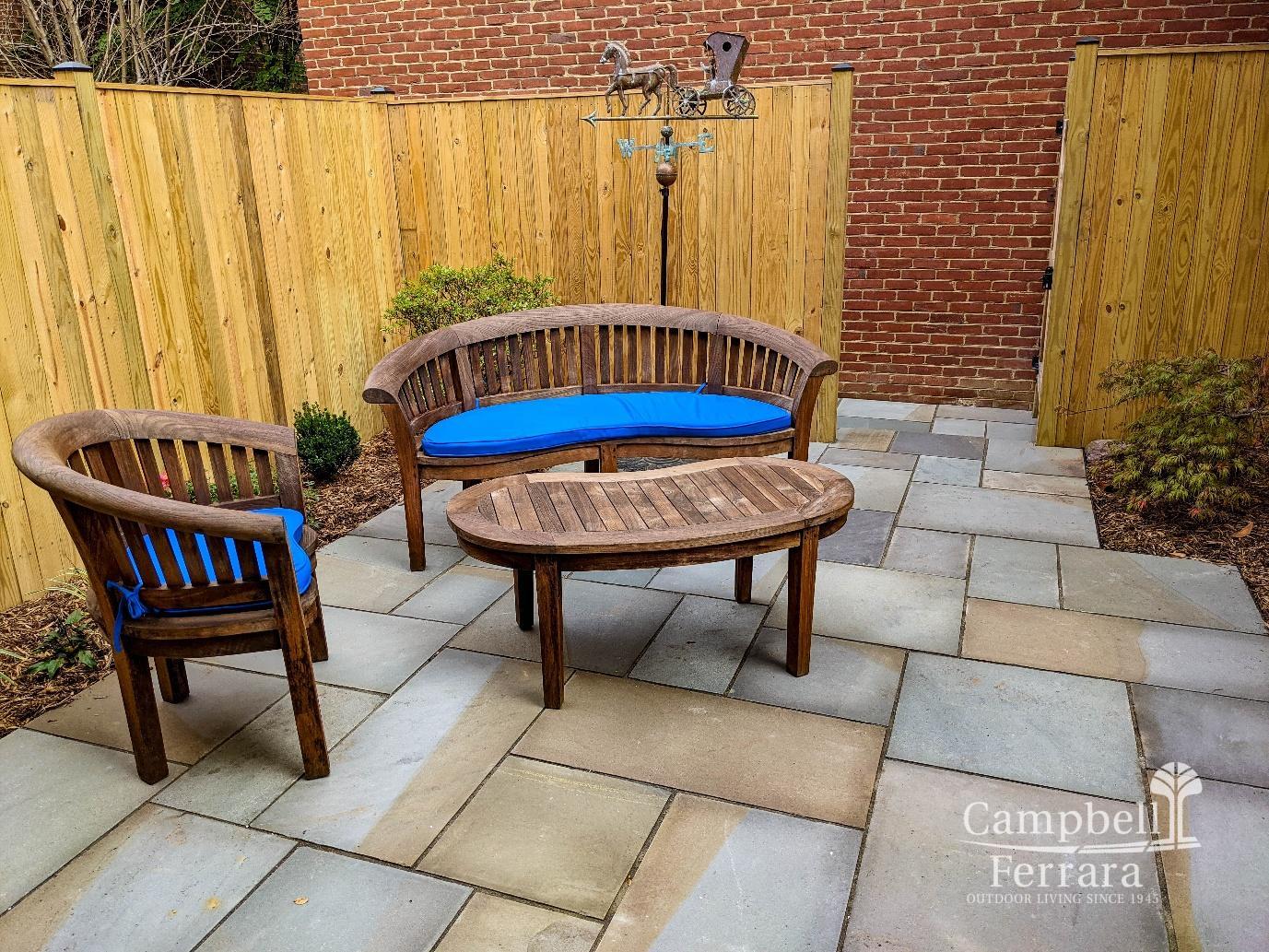
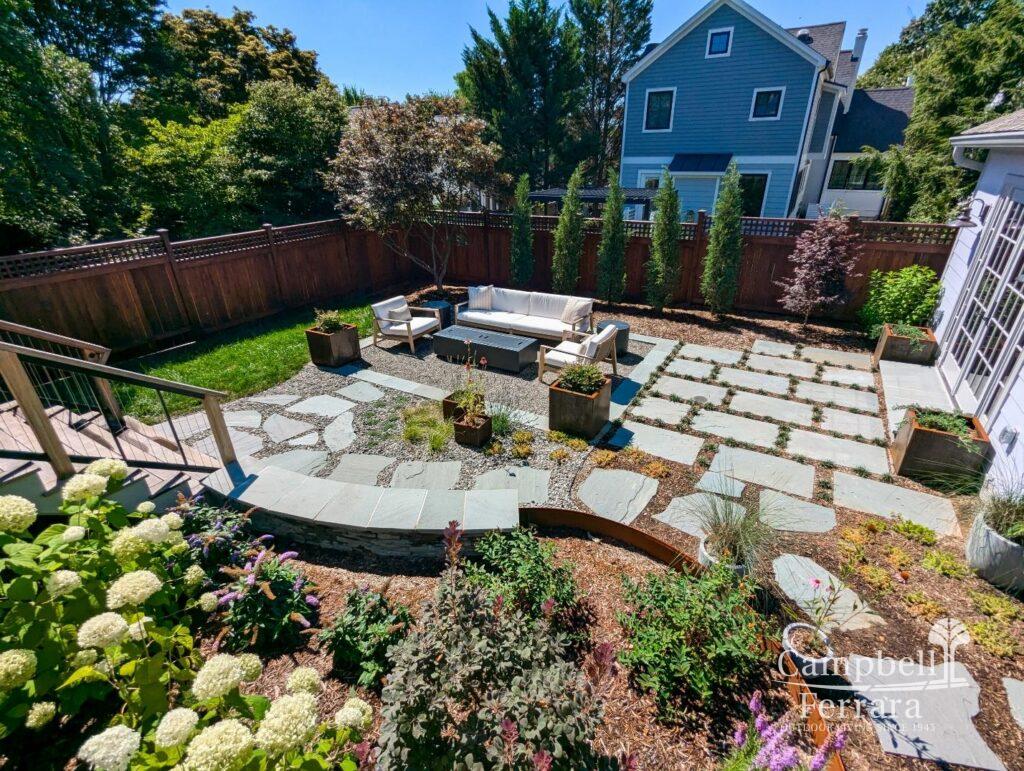
Spring planting designs are also frequently used to enhance outdoor entertainment areas. Beds surrounding patios or seating spaces help soften the edges of stone surfaces and create a more welcoming environment for outdoor entertainment. When these plantings are coordinated with patios, walkways, and seating walls, the result is a cohesive environment that integrates both plantings and structural features.
Common Spring Landscape Design Styles
Some of the most practical planting styles used in residential landscapes include:
- Foundation planting designs – Layered plantings along the base of a home that combine shrubs, perennials, and groundcovers for year-round curb appeal.
- Patio and outdoor gathering plantings – Garden beds surrounding patios or seating areas that soften the look of stone surfaces while supporting outdoor entertainment spaces.
- Planter beds and garden borders – Defined planting areas along driveways, walkways, or property lines that add visual structure and seasonal color.
- Green screens and privacy plantings – Trees and shrubs strategically placed to create natural privacy around patios or outdoor seating areas.
Another important consideration in spring landscape planning is nighttime visibility and ambiance. When planting beds are positioned strategically, they can highlight focal points illuminated by landscape lighting. Trees, flowering shrubs, and textured perennials respond beautifully to subtle lighting, extending the landscape’s beauty into the evening hours.
With the right plant combinations and design approach, the team at Campbell & Ferrara can ensure that your landscape reflects seasonal color, supports pollinators, and enhances the overall enjoyment of your outdoor living environment.
Native Perennials for Color, Pollinators, and Seasonal Interest
Native perennials are among the most valuable additions to spring planting designs because they are naturally adapted to regional soil and climate conditions. These plants often require less maintenance, significantly less fertilizer and pesticides, and less irrigation than non-native species. In addition to their resilience, native perennials provide critical habitat and food sources for pollinators, including butterflies, bees, and hummingbirds.
When incorporated into landscape designs, perennials provide vibrant seasonal color while adding structure and texture to planting beds. Many native species bloom at different times throughout the growing season, allowing homeowners to enjoy changing colors and visual interest from early spring through fall.
Native Perennials to Consider
- Monarda didyma ‘Purple Rooster’ – Known for vibrant purple blooms that attract hummingbirds and butterflies.
- Asclepias tuberosa (Butterfly Weed) – Essential host plant for monarch butterflies with bright orange flowers.
- Baptisia australis (Blue Wild Indigo) – Tall perennial with striking blue blooms that provides structural height.
- Rudbeckia fulgida (Black-eyed Susan) – Bright golden flowers that extend color into late summer and fall.
- Aquilegia canadensis (Columbine) – Early-season flowers ideal for partially shaded garden areas.
- Carex plantaginea (Plantainleaf Sedge) – Adds soft texture and works well in shaded garden beds.
- Lobelia cardinalis (Cardinal Flower) – Brilliant red blooms that attract hummingbirds.
- Echinacea purpurea (Purple Coneflower) – Classic native perennial known for drought tolerance and pollinator support.
These perennials provide long-lasting color, seasonal variation, and ecological benefits while creating visually balanced planting beds.
Groundcovers that Provide Structure and Low-Maintenance Beauty
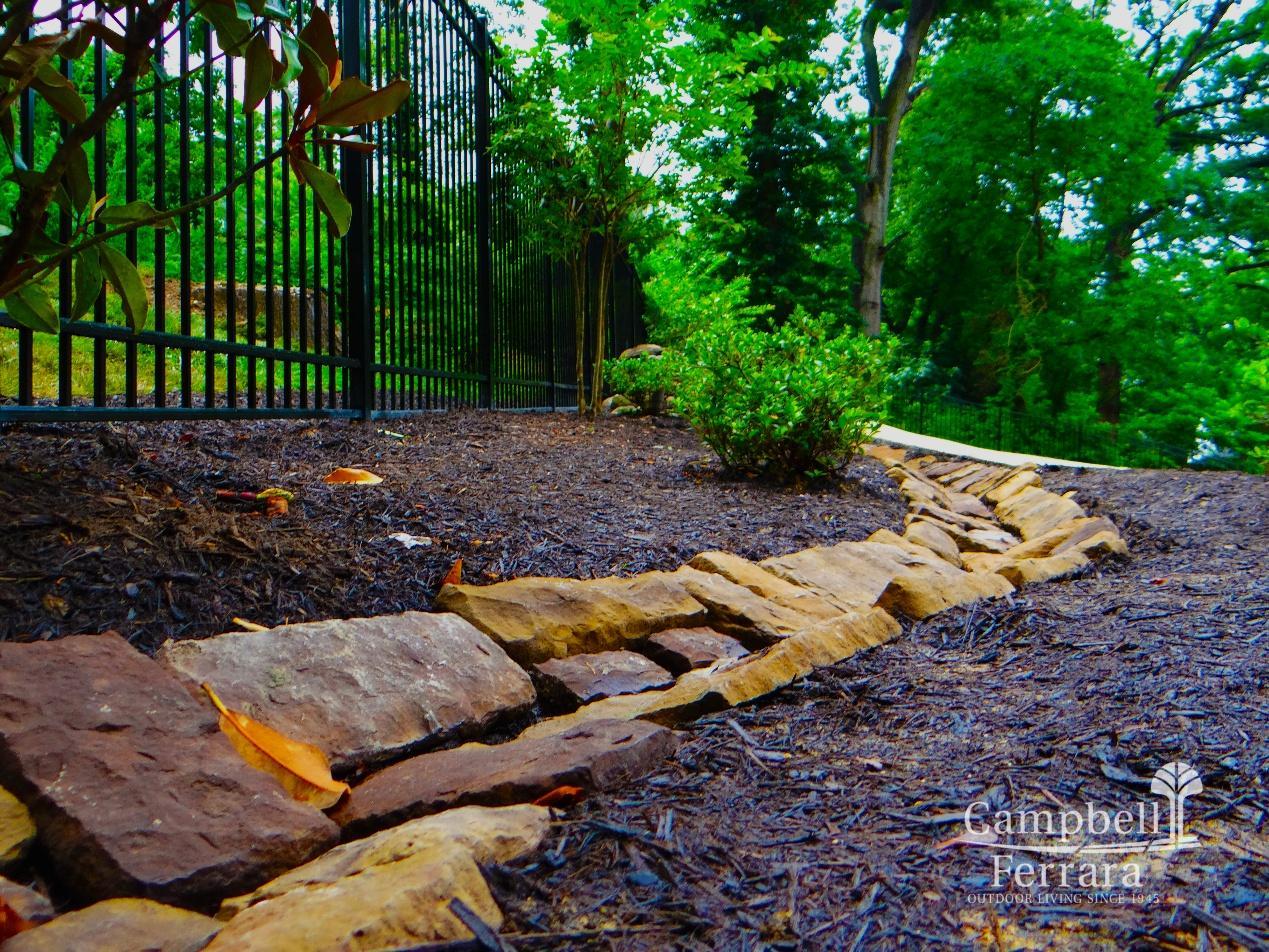
Groundcovers serve an essential role in successful spring planting designs by filling gaps between larger plants and creating visual continuity throughout planting beds. These low-growing plants help stabilize soil, suppress weeds, and reduce erosion, making them both practical and attractive components of bold highlight keywords landscape designs.
One of the most common uses for groundcovers is along pathways and garden borders. When planted near walkways or patios, these plants soften the transition between lawns and hard surfaces. This effect is especially important when landscapes include patios, retaining walls, or walkways installed through hardscape design.
Groundcovers Ideal for Spring Plantings
- Juniper ‘Blue Rug’ – Evergreen groundcover with attractive blue foliage that spreads across slopes or open beds.
- Creeping Thyme – Fragrant flowering groundcover ideal for sunny pathways and garden edges.
- Dragon’s Blood Sedum – Hardy succulent with foliage that deepens in color throughout the season.
- Sedum ‘Angelina’ – Golden foliage that provides a strong contrast in planting beds.
- Phlox subulata (Creeping Phlox) – Spring-blooming groundcover that creates colorful carpets of flowers.
- These groundcovers enhance planting beds while reducing maintenance and helping maintain soil health.
Native Shrubs for Structure, Privacy, and Seasonal Interest
Shrubs provide the structural backbone of most planting designs. They create visual anchors within planting beds while adding height, density, and seasonal variation. When used effectively, shrubs help define garden spaces and provide privacy around patios, seating areas, and gathering spaces used for outdoor entertainment.
Native shrubs are especially valuable because they offer multiple seasonal benefits, including flowers, berries, fall color, and winter interest.
Native Shrubs for Spring Landscape Designs
- Aronia melanocarpa ‘Low Scape Mound’ – Compact shrub known for attractive foliage and berries.
- Cornus ‘Arctic Fire’ – Vibrant red stems that provide strong winter interest.
- Itea ‘Little Henry’ & Itea virginica – Fragrant flowers and stunning fall foliage.
- Chindo Viburnum – Dense evergreen shrub often used for natural privacy screens.
- Hydrangea quercifolia (Oakleaf Hydrangea) – Dramatic flowers with beautiful seasonal foliage.
- Clethra alnifolia (Summersweet) – Fragrant blooms that attract pollinators during summer.
Native varieties adapt well to local soil and climate conditions, meaning they generally require less irrigation, fertilizer, and maintenance once established. This makes them an excellent choice for homeowners seeking long-term landscape value.
Native Trees that Anchor the Landscape
Trees represent the most permanent and visually impactful elements of a landscape. They provide shade, define outdoor spaces, and anchor planting designs with strong vertical structure. Spring is an ideal time to plant trees because moderate temperatures allow root systems to establish before summer heat arrives.
Strategically placed trees enhance both beauty and functionality in residential landscapes. Trees planted near patios or seating areas provide cooling shade, making outdoor spaces more comfortable for relaxation and gatherings.
Native Trees for Spring Landscape Installations
- Chionanthus virginicus (Fringe Tree) – Elegant flowering tree with delicate white spring blooms.
- Vitex (Chaste Tree) – Produces lavender flower spikes that attract pollinators.
- Cotinus (Smoke Tree) – Unique smoky flower clusters and striking foliage.
- Amelanchier x grandiflora (Serviceberry) – Multi-season beauty with spring flowers, berries, and vibrant fall color.
When paired with layered planting beds and subtle landscape lighting, these trees become striking focal points that enhance the overall landscape design.
Experienced hardscape experts collaborate with landscape designers to ensure plant placement complements patios, retaining walls, and pathways. When integrated thoughtfully alongside hardscape design, landscape lighting, and gathering areas for outdoor entertainment, these plantings contribute to cohesive outdoor environments that both homeowners and visitors can enjoy in every season.
Conclusion
Thoughtful spring planting design allows you to bring an extraordinary transformation that is not only visually appealing but also functional and environmentally supportive. By incorporating native perennials, groundcovers, shrubs, and trees into your planting beds, you create a balanced ecosystem that enhances the beauty of your outdoor living spaces.
If you’re ready to refresh your landscape and explore professional planting design options, you can contact Campbell & Ferrara. Our team of experts is happy to help you create a beautiful, thriving landscape this season. You can also reach our landscape experts directly at (703) 354-6724.
Related posts