Fall Planting Design & Installation Ideas
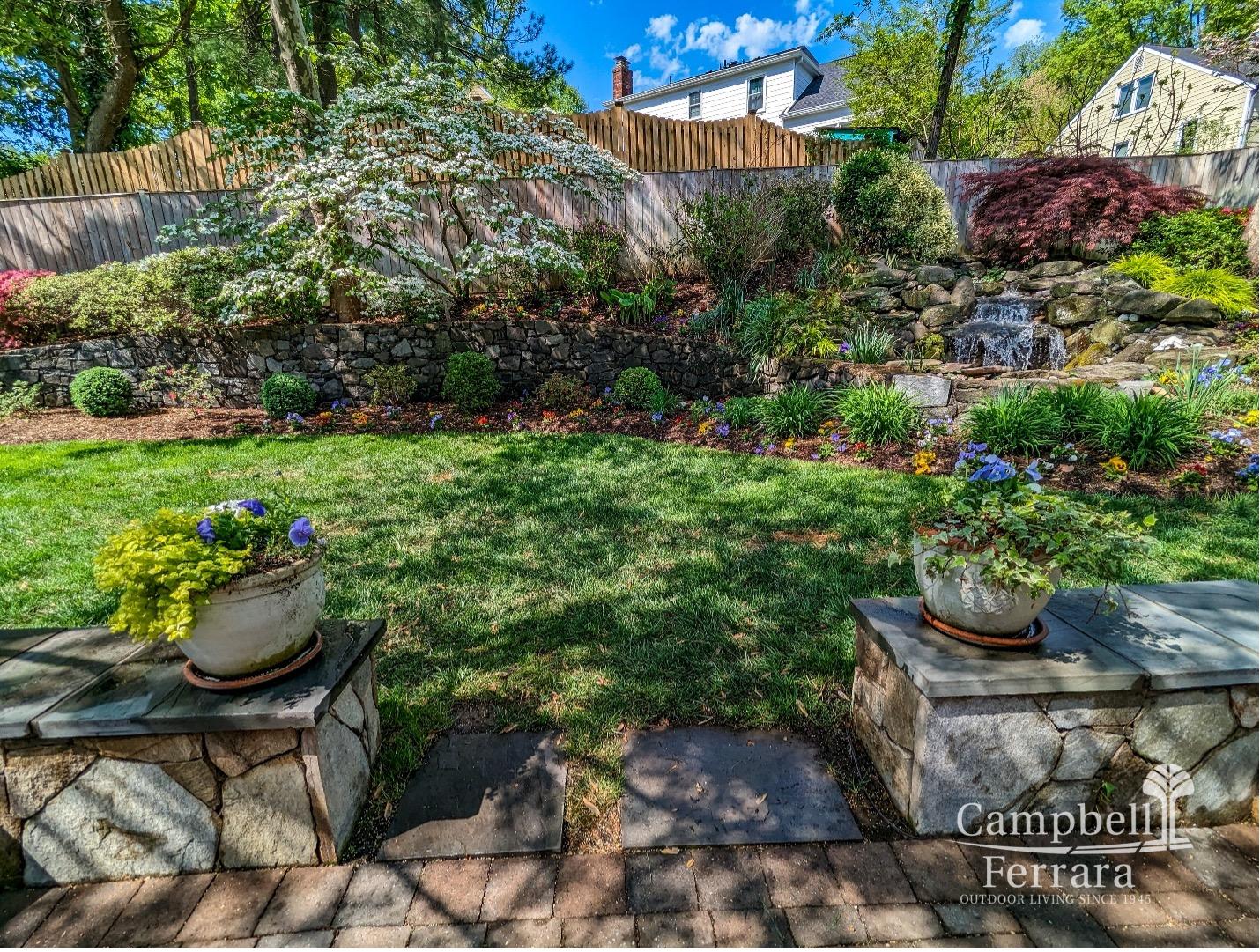
Winter is often overlooked in landscaping. Yet, it’s the season that determines how healthy, vibrant, and balanced your property will look in spring.
Strategic winter care protects your landscape design, supports long-term landscape services goals, and preserves the beauty of your outdoor living environment.
A well-maintained landscape makes your outdoor living experience more enjoyable. In this guide, you will learn why winter landscape maintenance matters and how specific tasks such as pruning, fertilizing, mulching, and edging work together to protect your landscaping.
Why Winter Landscape Maintenance Matters
Winter maintenance prevents many problems before they ever begin. Cold temperatures, moisture buildup, and neglected debris can quickly lead to disease, pest infestations, and weakened plants. When you stay proactive, you protect both plant health and soil structure.
Winter care helps you:
- Reduce plant stress and disease risks
- Preserve soil nutrients and drainage
- Protect root systems from freeze damage
- Prepare plants for healthy spring growth
It also supports long-term landscape design goals. A well-maintained winter landscape holds its shape and structure. When spring arrives, you are not fixing damage—you are building on a strong foundation.
When spring arrives, you are not fixing damage—you are building on a strong foundation.
Winter care safeguards your outdoor living environment. Clean beds, trimmed plants, and protected soil ensure that your space feels organized, balanced, and ready for renewal.
Rejuvenation Pruning in Late February
Rejuvenation pruning is one of the most valuable winter tasks you can perform. This method involves cutting plants back more aggressively to stimulate strong, healthy regrowth. While it may look drastic at first, the results are worth it.
The last two weeks of February are ideal because:
- Plants are still dormant
- New growth has not yet started
- Cuts heal faster as spring approaches
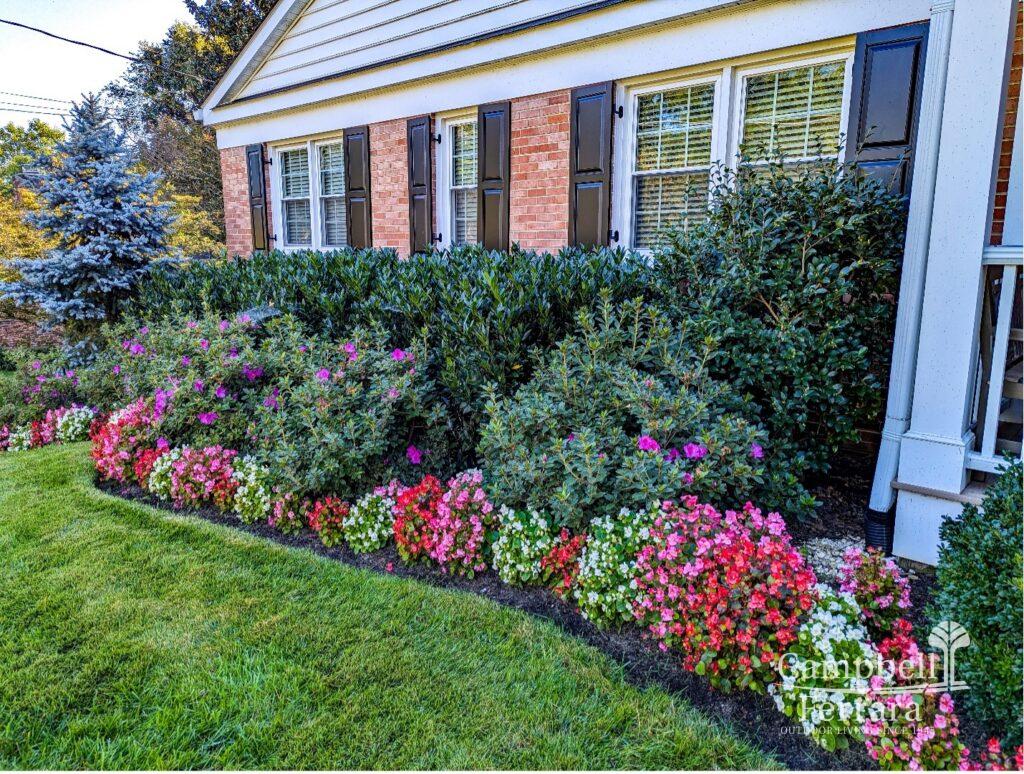
Plants that benefit most include panicle and smooth hydrangeas, roses, butterfly bushes, ornamental grasses, and many shrubs. Removing weak, crowded, or damaged growth allows sunlight and airflow to reach the center of the plant. This process leads to a healthier spring transformation and improves the appearance of nearby patios, walkways, and hardscape features.
When plants grow back fuller and stronger, they naturally enhance the visual balance between greenery and stone.
Regular Pruning for Structure and Health
Regular pruning is different from rejuvenation pruning. Instead of dramatic cuts, it focuses on shaping, thinning, and maintaining plant structure. This helps you control growth while protecting plant health.
Regular pruning allows you to:
- Maintain natural shape
- Improve airflow
- Prevent winter breakage
- Reduce disease risk
By removing weak or crossing branches, you protect plants from heavy snow and ice. You also make spring maintenance easier because your plants are already organized and balanced.
Over time, consistent pruning supports long-term landscape design by keeping your property visually clean and intentional instead of overgrown and uneven.
Pre-Emergent Weed Control Application
Pre-emergent weed control stops weeds before they even appear. Instead of fighting weeds in spring, you prevent them during winter when weed seeds are still dormant in the soil.
Benefits of winter pre-emergent application include:
- Fewer weeds in spring
- Less manual labor
- Reduced chemical use later
- Cleaner garden beds
Weed control is especially helpful for creating clean, pet-friendly landscapes. Fewer weeds mean fewer harsh treatments later, making your yard safer and healthier for everyone.
When weeds are controlled early, your plants receive more space, nutrients, and sunlight, allowing them to grow stronger and fuller.
Fertilizing Trees, Shrubs, and Perennials
Winter fertilization focuses on feeding roots, not forcing growth. Choosing the correct fertilizer gives your plants the nutrients they need to store energy for spring.
Key benefits include:
- Stronger root development
- Improved disease resistance
- Better spring blooms
- Healthier foliage
Nutrients such as potassium and phosphorus strengthen plants internally, preparing them for future growth cycles. When fertilization is done correctly, the results are visible for months.
Over time, this careful nourishment plays a major role in extraordinary landscape transformation. Healthy plants create richer color, fuller texture, and longer-lasting beauty.
Cleaning Beds and Removing Debris
Debris may seem harmless, but it creates hiding places for pests and disease. Fallen leaves, broken branches, and decaying plant matter trap moisture and encourage fungal growth.
Clean beds also enhance landscape lighting by allowing fixtures to illuminate plants and pathways properly.
When lighting is not blocked by clutter, your outdoor space feels safer and more welcoming. This simple task improves both function and appearance, proving that small details make a big difference.
Mulching for Insulation and Moisture Control
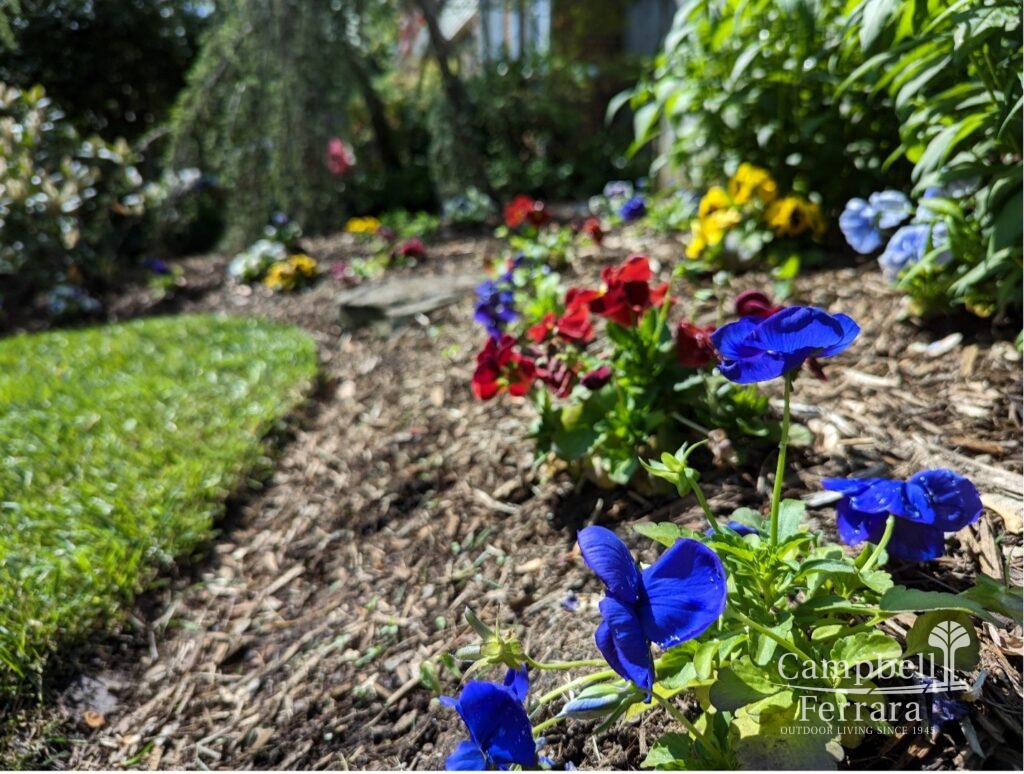
Mulching is one of the easiest ways to protect your landscape during winter. It acts as insulation for roots while also controlling moisture levels.
A mulch depth of two to three inches is ideal. Organic materials such as bark, wood chips, or shredded leaves work best because they slowly enrich the soil.
Mulch also adds visual polish, especially around outdoor fireplaces and fire pits, where clean plant borders enhance the overall aesthetics of your space.
Edging for Defined and Polished Borders
Edging may seem minor, but it plays a major role in maintaining structure. During winter, edging prevents grass from spreading into beds and keeps borders sharp.
Benefits of winter edging include:
- Cleaner bed lines
- Better water control
- Reduced erosion
- Easier spring maintenance
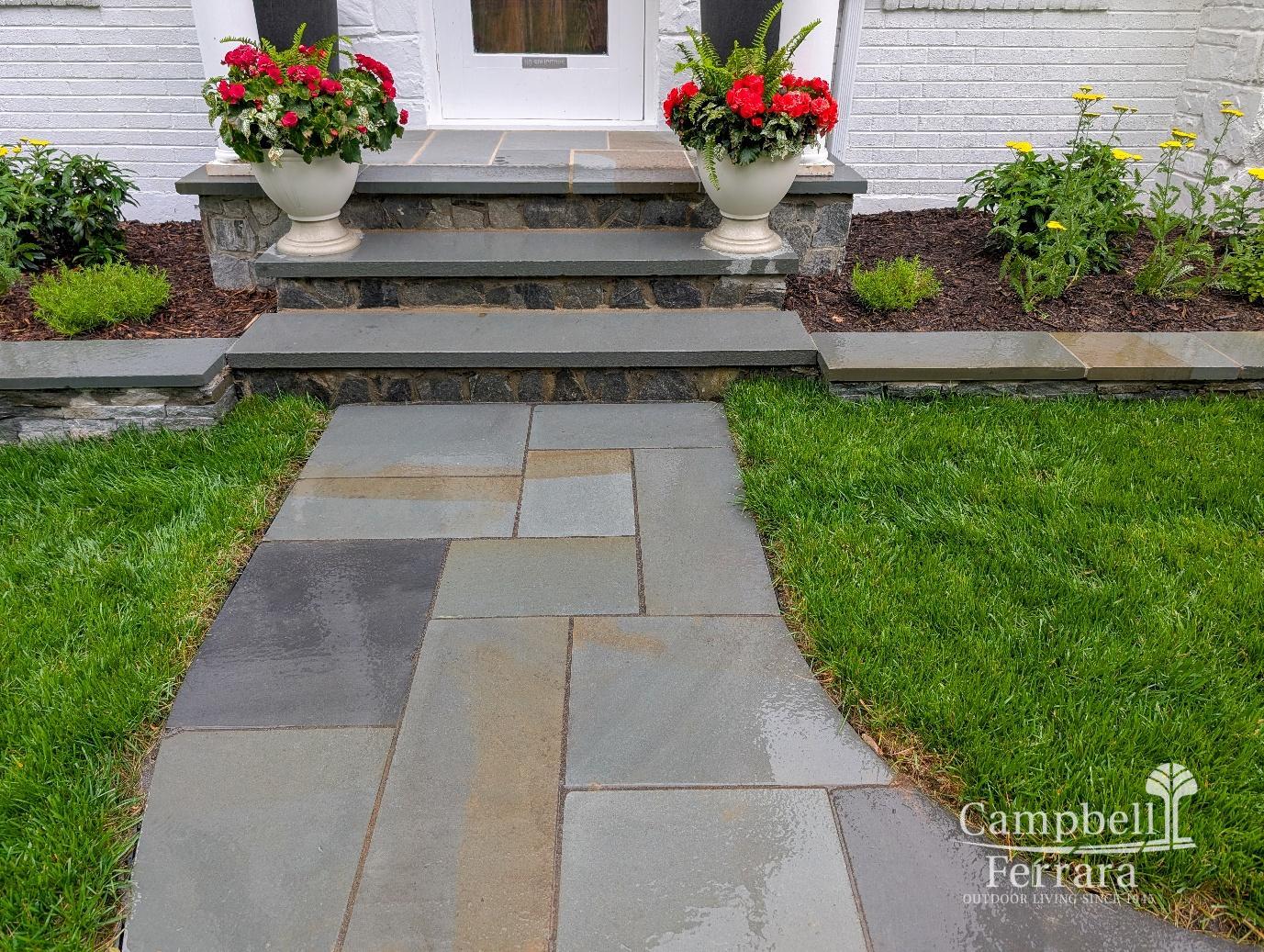
Edging also supports hardscape design by clearly separating lawns from walkways, patios, and retaining walls. These crisp lines make your property look professionally maintained even during the off-season.
How Winter Maintenance Enhances Hardscape Features
Your landscape is a partnership between softscape and hardscape. Plants soften stone and concrete, while hardscape provides structure and usability. When one is neglected, the other loses impact.
A maintained winter landscape:
- Highlights patios and walkways
- Frames fire pits and outdoor fireplaces
- Improves visibility of stone details
- Creates visual balance
If you want to see how proper care brings out design beauty, explore well-designed outdoor living spaces. It shows how a properly maintained landscape allows hardscape features to stand out naturally and beautifully.
When your plants are healthy, and your beds are clean, every hard surface becomes more noticeable and more impressive.
Seasonal Inspections to Prevent Costly Repairs
Winter is the perfect time to slow down and truly observe your landscape. Seasonal inspections allow you to identify small issues before they become expensive problems. Cracked edging, shifting stones, poor drainage, and weak plant structure are easier to spot when foliage is minimal.
During winter inspections, you should look for:
- Soil erosion around beds and walkways
- Leaning shrubs or young trees
- Drainage problems near patios
- Damage around fire pits and outdoor fireplaces
These early observations protect both your plants and your hardscape design. When issues are corrected early, you avoid larger repairs later. Seasonal inspections also support long-term landscape services strategies by keeping your property aligned with its original landscape design goals.
Most importantly, inspections help you stay connected to your property. You are not reacting to problems—you are preventing them.
Planning Ahead for a Smooth Spring Transition
Winter is not just a maintenance season—it is a planning season. When you take time to evaluate your space, you set yourself up for a smoother and more successful spring.
Planning allows you to:
- Identify plant replacements
- Adjust bed layouts
- Improve landscape lighting placement
- Enhance your outdoor living environment
Proper preparation ensures that your plants, walkways, and gathering spaces blend together naturally, creating a balanced and inviting outdoor experience this spring.

Professional Expertise Makes the Difference
Winter landscape care requires knowledge, timing, and precision. When you work with our team of experts, you gain confidence that every step is done correctly.
With guidance from trusted hardscape experts and landscape experts, your property receives balanced attention across every detail.
Professional landscape services deliver extraordinary results because they combine design understanding with maintenance expertise. You are not just maintaining plants—you are protecting your entire investment.
Winter Maintenance for Outdoor Living Enjoyment
Winter care prepares your space for spring outdoor entertainment. When your landscape is healthy and organized, hosting becomes easier and more enjoyable.
Winter maintenance helps you:
- Create safe, pet-friendly spaces
- Prevent future repairs
- Improve visual comfort
- Support long-term beauty
Just as you maintain fire pits and outdoor fireplaces for safety and enjoyment, winter landscape care keeps outdoor living comfortable year-round. When your yard is cared for in every season, outdoor living becomes a lifestyle instead of a seasonal activity.
Conclusion
Winter landscape maintenance is not just about appearance—it’s about protecting your investment and preparing your property for lasting beauty.
With guidance from our team of hardscape experts, every detail—from landscape lighting to hardscape design—can shine alongside your fire pits and outdoor fireplaces.
If you are ready to experience a true landscape transformation, contact Campbell Ferrara today by visiting our website or calling (703) 354-6724 to speak directly with a professional who can help bring your outdoor living vision to life.
Related posts