Designing and Installing Fencing 101
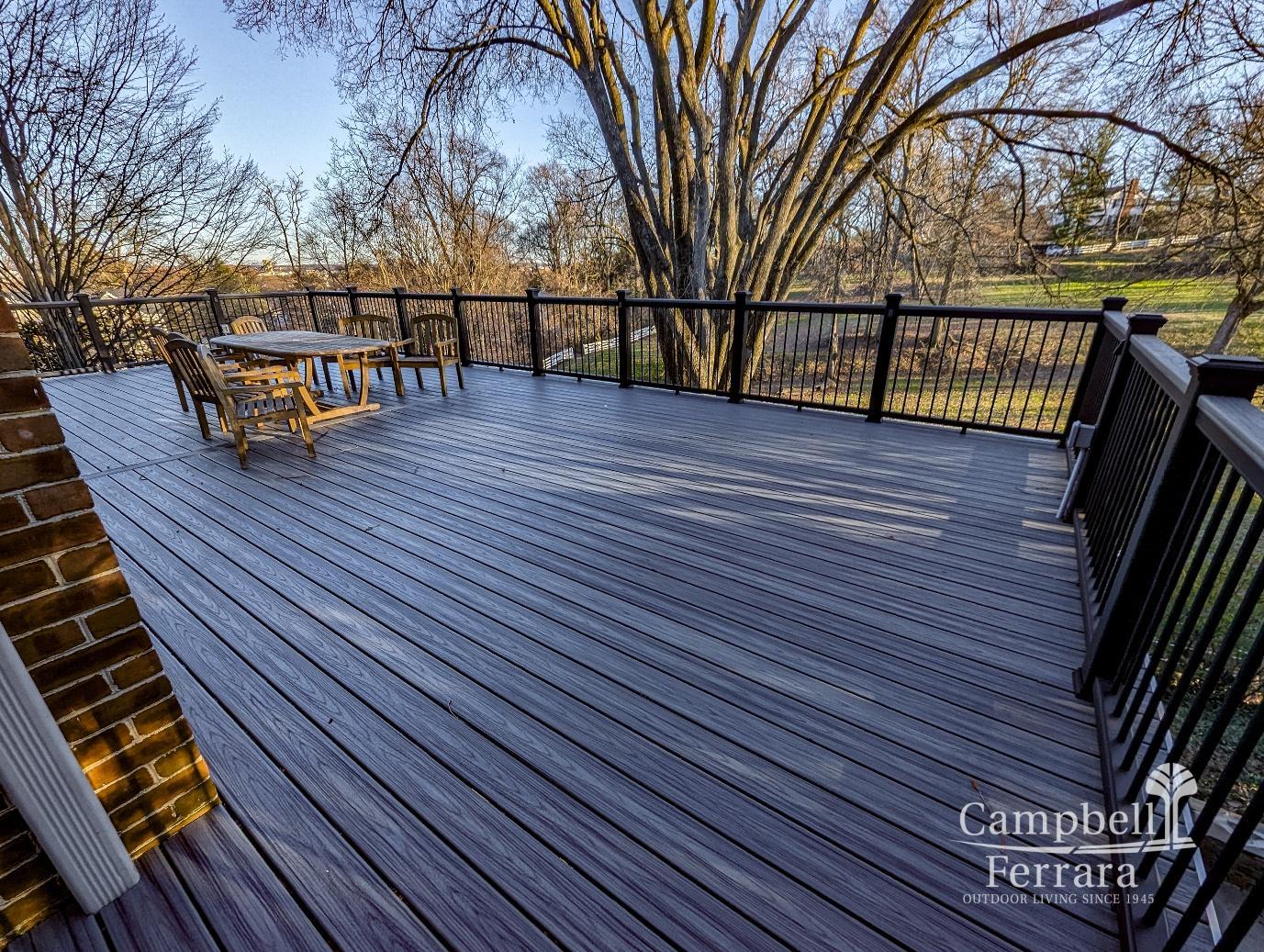
Deck installation gives your home a designated space to cook, dine, relax, and spend more time outdoors. It can also improve how your yard connects to doors, steps, gardens, patios, and seating areas. For many homeowners, the best deck is the one that feels natural to use every day.
Good planning starts with your routine. A family with children or pets may need safer stairs, secure railings, and pet friendly access. A homeowner who hosts often may need space for outdoor entertainment and comfortable seating. Others may want a quiet outdoor living area for coffee or casual dinners.
Homeowners can review Campbell & Ferrara’s deck options in Alexandria, VA as they compare materials, layouts, and add-ons. Campbell & Ferrara provides Northern Virginia decking services for homeowners who want a deck that fits their property, maintenance preferences, and outdoor living goals.
What to Consider Before Deck Installation
Successful deck installation starts with clear goals and careful site planning. Material choice matters, but the layout decides how the deck will function.
Start by asking yourself how you plan to use the space. A grilling deck needs a different layout than a dining deck. A lounge area may need shade, privacy, and room for furniture. A deck connected to a pool, patio, or garden path may need wider stairs and simple traffic flow.
Key planning points include door placement, sun and shade, slope, grading, drainage, privacy, railings, stairs, HOA rules, and connections to patios, walkways, gardens, or fencing.
A deck should support and complement the entire outdoor living environment. Its size, height, stairs, and railings can affect garden beds, views from inside the home, and movement between outdoor rooms.
Our team of experts can help homeowners review structure, access, materials, and style before work begins. Campbell & Ferrara’s landscape and hardscape experts also consider how the deck fits into broader landscape design goals, nearby plantings, stonework, and long-term outdoor use.
Composite Deck Installation for Low-Maintenance Outdoor Living
Composite decking is a popular option for homeowners who want a finished deck surface with less routine upkeep than natural wood. Most composite boards use a mix of wood fibers and synthetic materials. Many products resist moisture, fading, staining, and insects.
This material works well for busy households. It suits decks used for grilling, weekend meals, pool access, and regular family use. It also suits homeowners who prefer less staining, sealing, sanding, and board replacement over time.
Composite decking comes in many colors and textures. Some boards mimic wood grain, while others have a cleaner look. Color matters in strong sun because darker boards may feel warmer underfoot. Texture also matters, especially on stairs or in damp areas.
Before choosing composite decking, compare board color, heat retention, warranty details, fastener style, railing compatibility, slip resistance, and budget.
Composite decking can pair well with patios, built-in benches, planter boxes, and landscape lighting. The main trade-off is cost. Composite often costs more upfront than pressure-treated wood, but it can reduce routine maintenance.
Pressure-Treated Wood Deck Installation for Practical Value
Pressure-treated wood remains one of the most common deck materials. It offers a familiar wood surface and a lower entry cost than many composite, PVC, or premium hardwood products. Homeowners often choose it for starter deck projects, larger layouts, and traditional homes.
This lumber receives treatment to help resist rot, insects, and moisture damage. It is also commonly used for deck framing, even when another material is selected for the visible surface.
Pressure-treated wood gives homeowners flexibility. It can be stained in colors that relate to railings, fences, house trim, or nearby hardscaping. It can also suit simple seating areas, garden paths, and lower patios.
This material does require care. Boards may weather, check, or splinter over time. Regular cleaning, sealing, or staining can help extend its life and improve its appearance. Drainage around posts and footings also affects performance.
Experienced hardscape contractors can help align stairs, landings, walkways, and grade changes. This matters when a deck meets a patio, lawn, retaining wall, or garden path.
Premium Hardwood Decking for Natural Character and Lasting Appeal
Premium hardwood decking suits homeowners who want a rich, natural surface and strong durability. Common options may include ipe, cumaru, tigerwood, and other dense hardwoods. These materials often feature deep color, distinct grain patterns, and a refined appearance near gardens, stonework, and outdoor rooms.
Hardwood decking feels substantial underfoot. Dense boards can handle heavy use when installed correctly. This makes premium hardwood a strong choice for homeowners who value natural character and long service life.
A premium hardwood deck can create an extraordinary focal point when the material, railing, stairs, and surrounding planting plan flows naturally. It will also pair beautifully with hardscape design, especially near stone patios, garden steps, retaining walls, and outdoor kitchens.
This material brings clear responsibilities. Premium hardwood usually costs more than pressure-treated wood. Installation may require pre-drilling, specific fasteners, and careful spacing. Some hardwoods also need periodic oiling to preserve a richer color. Others may allow the surface to age to a silver-gray tone.
PVC Deck Installation for Moisture Resistance and Clean Design
PVC decking is a synthetic material made without wood fibers that is engineered to have strong moisture resistance and a clean, consistent appearance. Homeowners often consider PVC for shaded yards, poolside decks, damp areas, and spaces where easy cleaning matters.
PVC boards resist staining and do not need regular sealing or staining, making them a viable low-maintenance solution. They work well in high-traffic and busy outdoor entertainment areas where meals, drinks, and frequent foot traffic are part of normal use.
PVC can also help connect upper-level living areas to lower patios, walkways, or garden spaces. Its uniform surface suits homeowners who prefer a neat appearance.
PVC may feel different underfoot than wood or composite. Darker colors may feel warmer in direct sun. It can also cost more than pressure-treated lumber. Homeowners should compare warranties, board structure, color options, fasteners, and railings before making a final decision.
Deck Add-Ons and Accessories for Comfort, Safety, and Daily Use
Deck add-ons should serve a clear purpose. The goal is to add a feature that enhances usability and supports regular everyday use.
Gazebos and Shade Structures
Gazebos and shade structures can create a sheltered area for dining, reading, or relaxing. Shade planning matters during Northern Virginia summers, especially for decks with strong afternoon sun.
Screening and Privacy Features
Screens, lattice, privacy panels, and nearby plantings can make a deck feel more anchored. These features help when nearby homes overlook the yard or when the deck sits close to a shared property line.
Railings and Stairs
Railings and stairs affect safety, appearance, and daily access. Railings should meet code requirements and seamlessly blend the deck material with your home style as well as any hardscape. Stairs should lead naturally toward the lawn, driveway, garden, walkway, or patio.
Trellises and Garden Connections
Trellises can support vines, frame views, and soften the edge of a deck. They work best when they harmonize with the wider landscape design plan.
Built-In Seating, Planters, and Lighting
Built-in benches, planter boxes, step lights, post lights, and rail lights can make a deck easier to use. Good landscape lighting can improve safety on stairs and make the space more comfortable in the evening.
The right add-ons can support a practical transformation by making the deck safer, more comfortable, and better integrated to the rest of the yard.
How Decks Work with Hardscaping, Patios, and the Full Yard
Decks should align seamlessly with the full property plan. They often connect with patios, walkways, retaining walls, outdoor kitchens, fire pits, garden beds, fencing, and lighting.
Hardscaping plays a major role in these connections. A deck may need stairs down to a stone patio, a landing near a walkway, or a transition beside a retaining wall. Grade changes and drainage paths can affect where posts, footings, and steps should go.
Hardscape contractors and hardscape experts can help prevent crowded stairs, poor drainage, awkward transitions, and weak traffic flow.
Decks can also create useful zones. One area may work for grilling. Another may support dining, pets, gardening, or quiet outdoor living. Some homeowners want open railings and broad views. Others prefer screening and privacy.
What to Expect During the Deck Installation Process
The deck installation process usually begins with a consultation. Homeowners can discuss goals, budget, materials, lifestyle, privacy needs, stairs, railings, and add-ons.
A site review comes next. The team checks access, slope, drainage, existing plantings, nearby hardscape features, and how the deck will connect to the home.
A typical process may include:
- Initial consultation
- Site review
- Material comparison
- Layout and size planning
- Railing, stair, and add-on selection
- HOA or permit review, where needed
- Scheduling
- Installation
- Final walkthrough
The timeline can vary based on deck size, material, slope, access, weather, and structural needs. Proper installation matters because framing, footings, fasteners, drainage, stairs, and railings all affect safety and long-term performance.
Homeowners should also ask about maintenance expectations, material lifespan, heat retention, slip resistance, warranty details, and how the deck will age over time.
Choosing Northern Virginia Decking Services for Your Home
Homeowners comparing Northern Virginia decking services should look for experience that goes beyond material selection. Local knowledge matters because properties in Northern Virginia often include HOA rules, mature trees, uneven grades, compact yards, and established garden areas.
Useful selection factors include clear communication, sound material recommendations, experience with grading and drainage, and the ability to connect decks to wider exterior plans.
Campbell & Ferrara team brings together deck design/planning, landscape experts, hardscape experts, and material knowledge. That combination helps homeowners plan a deck that supports daily use, appearance, maintenance preferences, and unites it with the entire outdoor plan.
Choosing the Right Deck Material for Your Home
The best deck material depends on budget, maintenance preferences, sun exposure, style, and daily use.
| Deck Material | Best For | Main Strength | Maintenance Level |
| Composite | Busy households | Low routine upkeep | Low |
| Pressure-Treated Wood | Budget-conscious projects | Flexible cost | Moderate |
| Premium Hardwood | Natural character | Rich appearance | Moderate to high |
| PVC | Moisture-prone areas | Moisture resistance | Low |
Homeowners should also think about nearby fencing, patios, plantings, lighting, and broader outdoor living goals.
Plan Your Deck Installation in Alexandria, VA
Composite, pressure-treated wood, premium hardwood, and PVC decking each offer clear benefits. The right choice depends on maintenance preferences, budget, property conditions, and how the yard is used.
Campbell & Ferrara can help homeowners plan a deck that fits the property and supports comfortable outdoor living.
For help planning your next deck project, contact us or call Campbell & Ferrara at (703) 354-6724 to speak with our team.
Related posts